Indigo Amour Wool indigenous Designs –
Objective of study – Improving and designing organic wool fabric for Gaddi shepherds
Designing an organic wool textiles with Transhumance Gaddi tribes for supplementary employment opportunity, Climate change in Himalayan region is mandating a relook at how pastoral communities’ traditional knowledge and technology can be preserved in sheep wool textile sector.
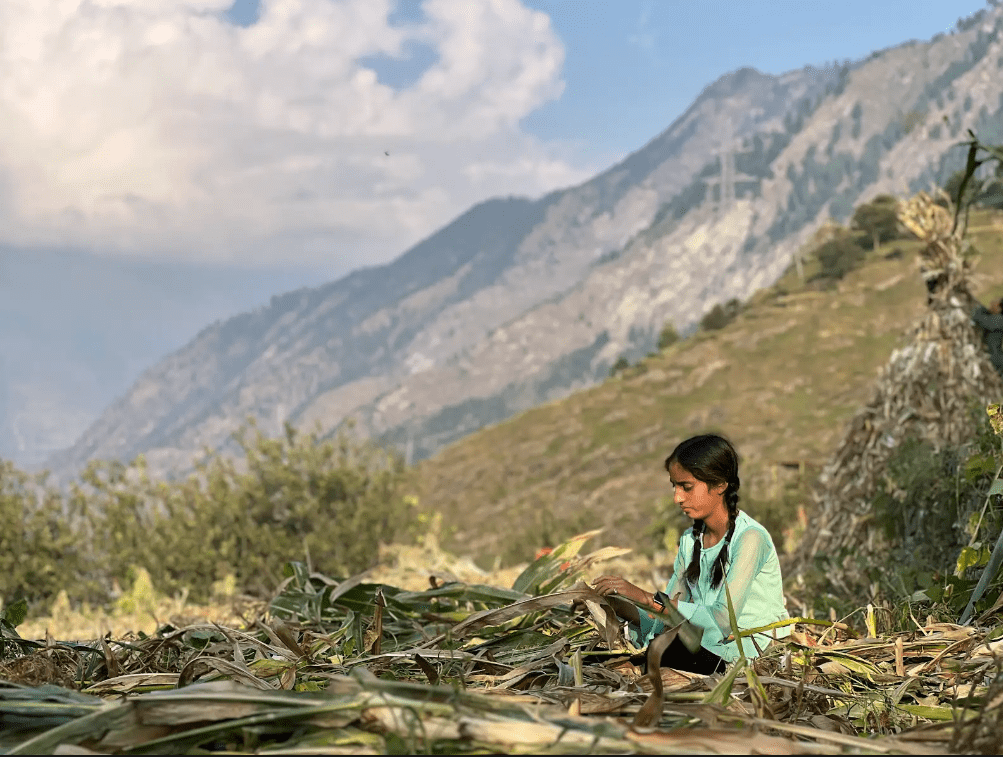
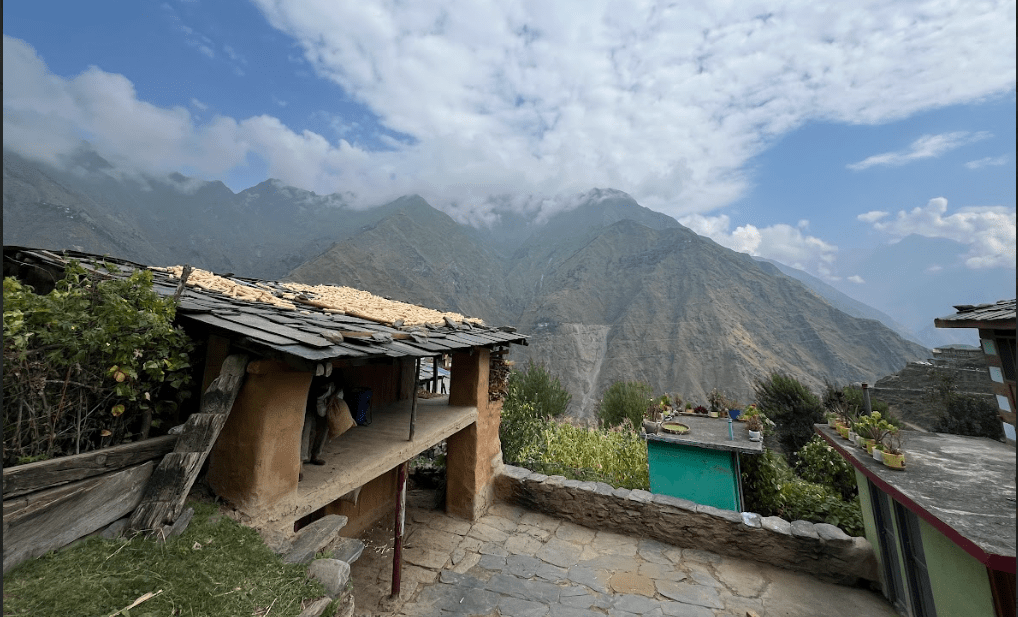
Vertical transhumance from lower regions to higher regions in summers. Due to climate change these communities are affected in traditional transhumance practices declining and age-old traditional knowledge is at the risk of losing its importance and value.
A typical shepherd family has a designated land as home where they grow crops for self-use and
rear sheep for making wool textiles and sometime for selling meat and diary products to locals.
Traditional profession and practices are affected negatively due to –
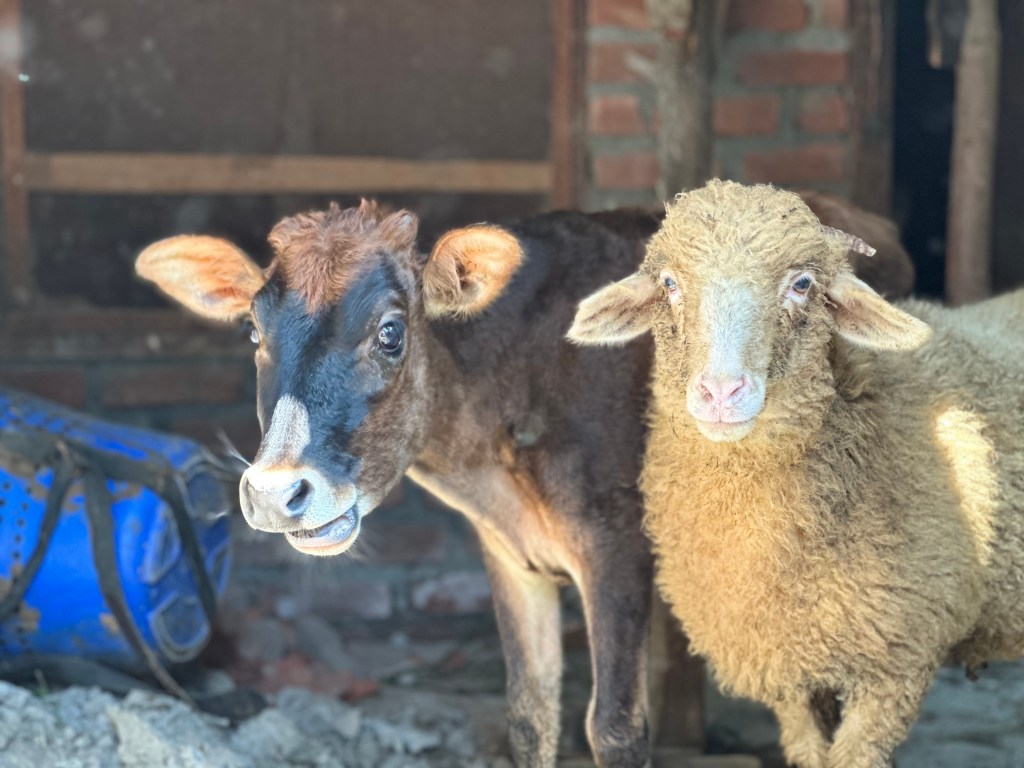
Transhumance pastoralists for employment enhancement.
Bharmour is original land of Gaddi shepherds in Chamba valley of Himalayan region. They are believed to be residing in this belt of Himalayan region for past thousand years.
Transhumance is a traditional livelihood practice that is followed by human communities in many mountainous and arid regions of the globe ( Oteros-Rozas et al., 2013 ; Bhasin 2013 ; Easdale and Aguiar 2018 ).
(available at-
https://www.sciencedirect.com/science/article/pii/S2666719322000048#:~:text=In%20the%2
0high%20altitude%20pastures,a%20factor%20directly%20affecting%20transhumance. )
.
It is not carded; it is loosely combed and then goes for spinning yarns.
Two types of yarns are spun – a strong high twist yarn for Warping and a loosely spun weft yarn which two plied later on hand operated spindle.
Wool textile method of creation – Wool is sheared with hand twice in a year – early spring in April and in September before winter season.
It is generally not washed and directly goes for spinning process on hand operated wheel called
“Charkha” which is available in every household.
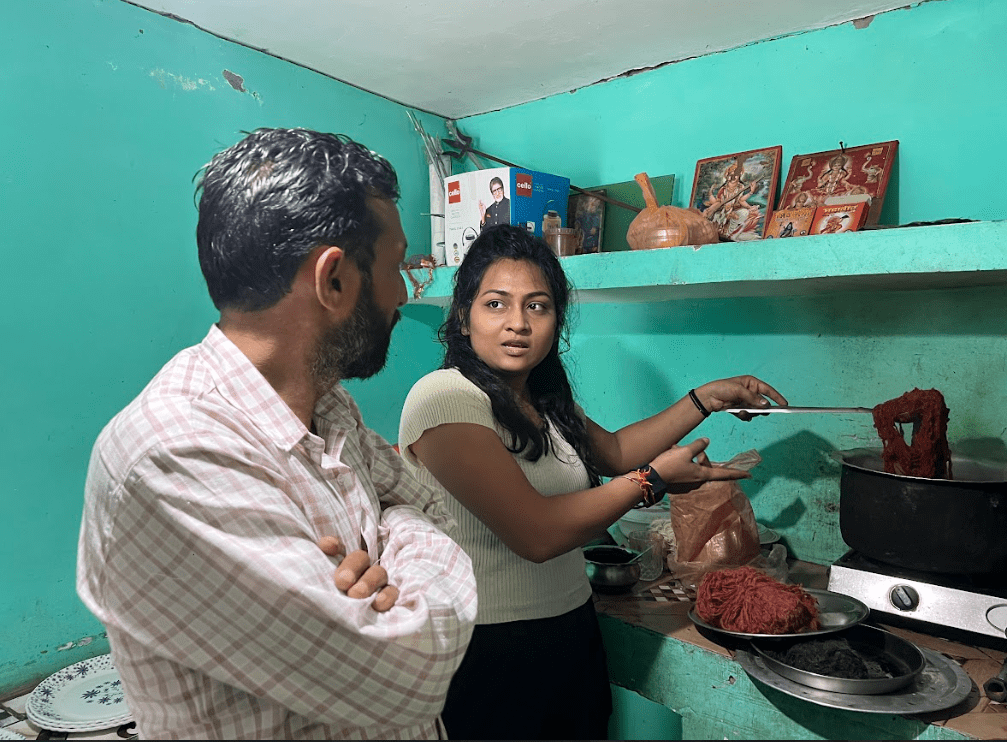
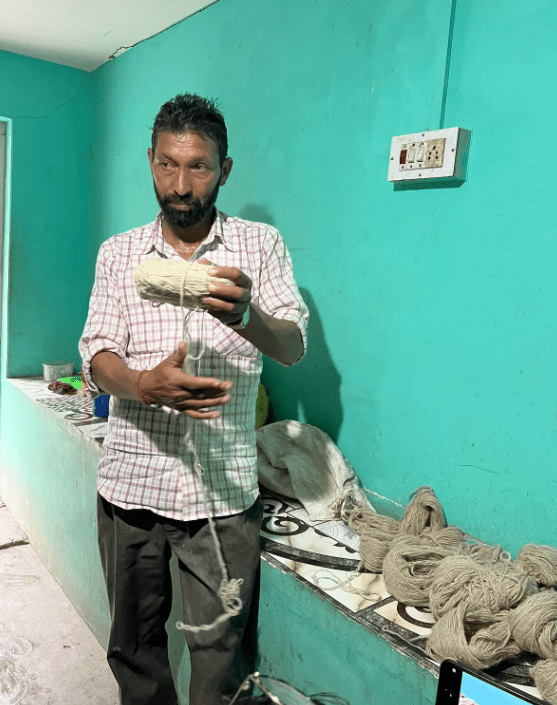
Design Interventions in Saho Valley, Chamba district, in Himachal Pradesh, India. Picture shows Saho Valley dyeing workshop with Weaver and pastoralist Parshu Ram who is supplying wool to Indigo Amour. Ms. Yashasvi from NIFT Delhi is helping in Dyeing process.
- Natural dyeing was introduced as a design value to create interesting textiles with
organic and natural soul. - Finer yarn spinning encouraged on charkha was recommended.
- Proper fiber cleaning process before spinning is recommended for finer yarn and softer feel.
- Softening of yarn using natural ingredients like soap-nut extracts, myrobalan treatment and cleaning with Ph balanced soaps before spinning process starts.
- Mixing the cotton yarns with wool yarns to make a sturdier fabric.
- Mixing of organic hand spun Kala cotton in warp with hand spun wool yarn for home
textiles and jackets
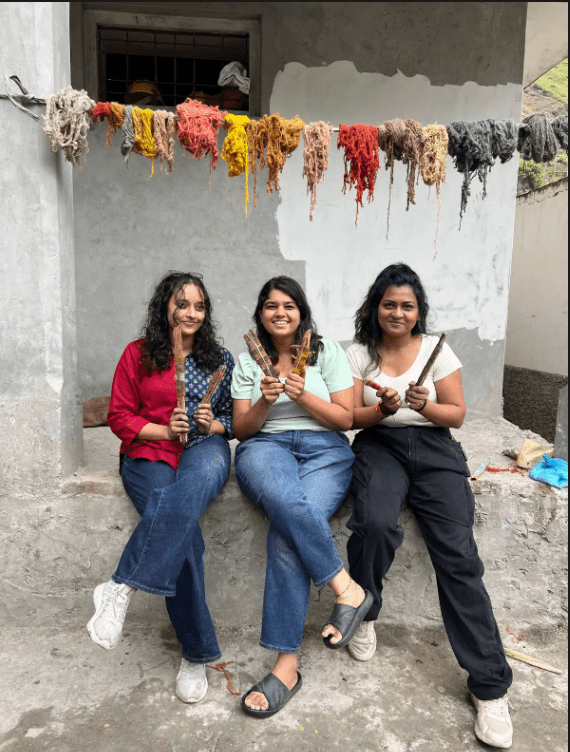
We were very excited with the results and the wool looked brighter in color, due to differnt minerals in the Chamba rivers as compared to Delhi water. The resultant textiles can be used for garments and for home furnishings as well. Some of the textural details are suitable for cold environment home and hotels.
 naturaldyeandcrochet
Leave a comment